You can now use AI to build a website – but should you?
AI Can Build a Website in Minutes, But Is That Enough?
The way websites are built has changed rapidly. Not long ago, building a website required designers, developers, timelines, and a clear budget. Today, an AI Website Builder can generate a full website in minutes by asking a few questions. This shift feels exciting, especially for startups, solopreneurs, and small businesses looking for speed and cost savings.
But faster does not always mean better. While ai for website design promises simplicity, it also raises important questions about quality, flexibility, SEO, and long-term growth. A website is not just a visual asset. It represents your brand, credibility, and business goals. The real question is not whether AI can build a website, but whether it can build the right website for your needs.
This article explores how AI website builders work, where they help, where they fall short, and how to decide if using ai to create website solutions is the right choice for your business.
The Rise of AI in Web Development
What Is an AI Website Builder and How Does It Work?
An AI Website Builder is a tool that uses artificial intelligence to generate website layouts, content, and structure automatically.
How These Tools Typically Work
You answer a few questions about your business
The tool generates layouts, pages, and sample content
AI suggests colors, fonts, and images
You publish the site with minimal customization
Many platforms also claim to support ai for web development, handling basic responsiveness and hosting automatically. This approach removes technical barriers, but it also limits control.
Why AI Website Builders Are Growing So Fast
AI Website Builders appeal to businesses that want quick results without technical complexity.
Key Reasons for Popularity
Faster setup compared to traditional development
Lower upfront cost
No coding or design experience required
All-in-one platforms
For early-stage projects, landing pages, or experiments, these tools feel like an easy win. They reduce friction and allow users to get online quickly.
Understanding the Limitations of AI Website Builders
The Limitations of AI for Website Design
Despite the convenience, AI website builders come with important limitations.
1.Lack of Creativity and Human Nuance
While AI website builders are impressive, they lack the creativity and nuance that human developers bring to the table. AI can mimic design trends and follow best practices, but it can’t generate truly original content or think outside the box. The result? A website that might look good but feels generic.
AI-generated content also tends to be hit or miss. While it can produce text quickly, the content often lacks personality and emotional connection. This is where human copywriters shine – they craft compelling narratives that resonate with audiences and leave a lasting impression.
2.Limited Customization and Flexibility
AI website builders operate within predefined templates and design parameters. While you can tweak some aspects, your ability to customize is limited. If your website requires unique functionality, such as an interactive product configurator or a custom booking system, AI tools might not be able to deliver.
On the other hand, human developers can create bespoke designs tailored to your specific needs, ensuring that your website stands out in a crowded digital landscape.
3.SEO and User Experience Limitations
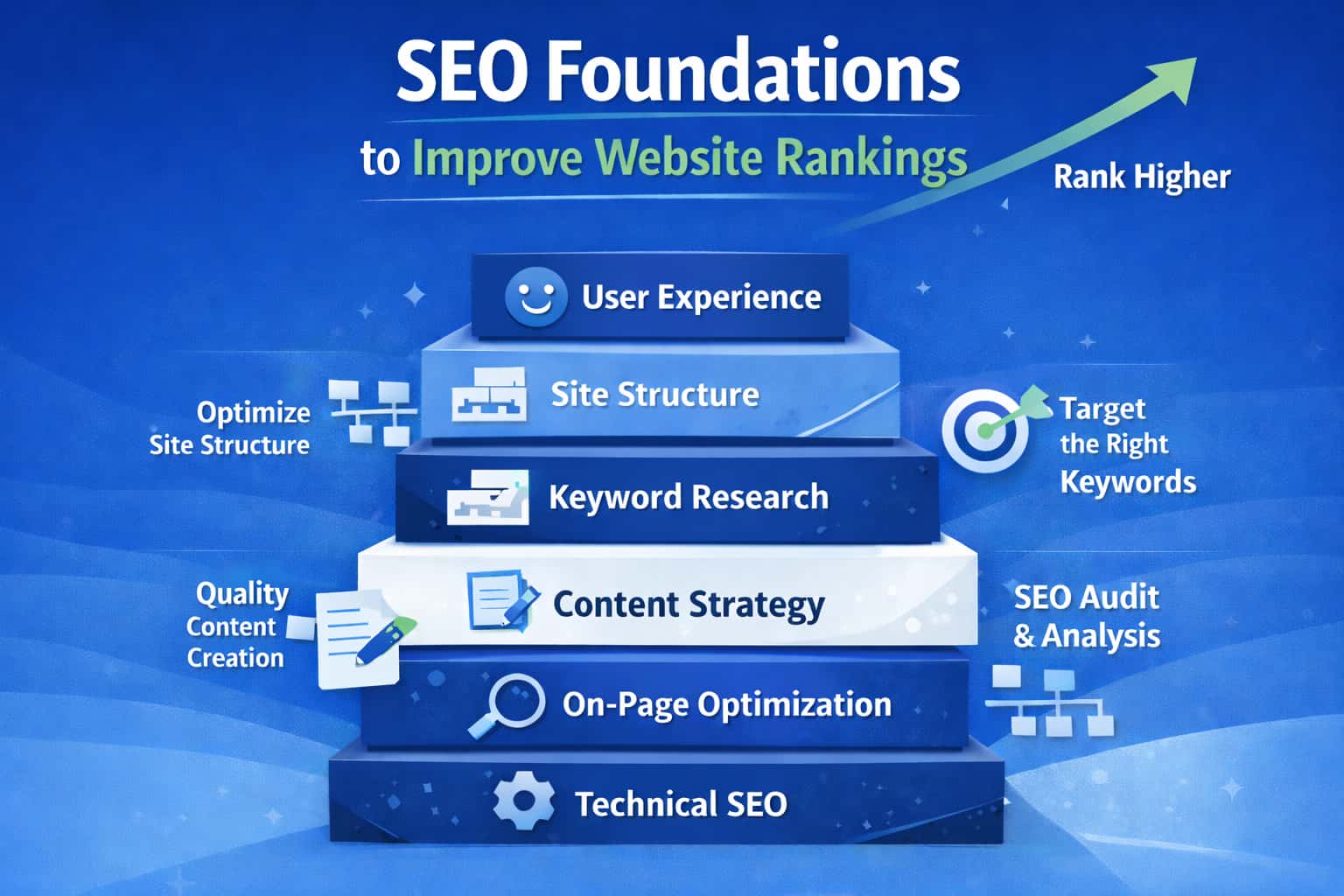
AI-powered website builders generally provide basic SEO optimization, ensuring fast load times, mobile responsiveness, and clean architecture. Some advanced AI tools even offer keyword suggestions and A/B testing.
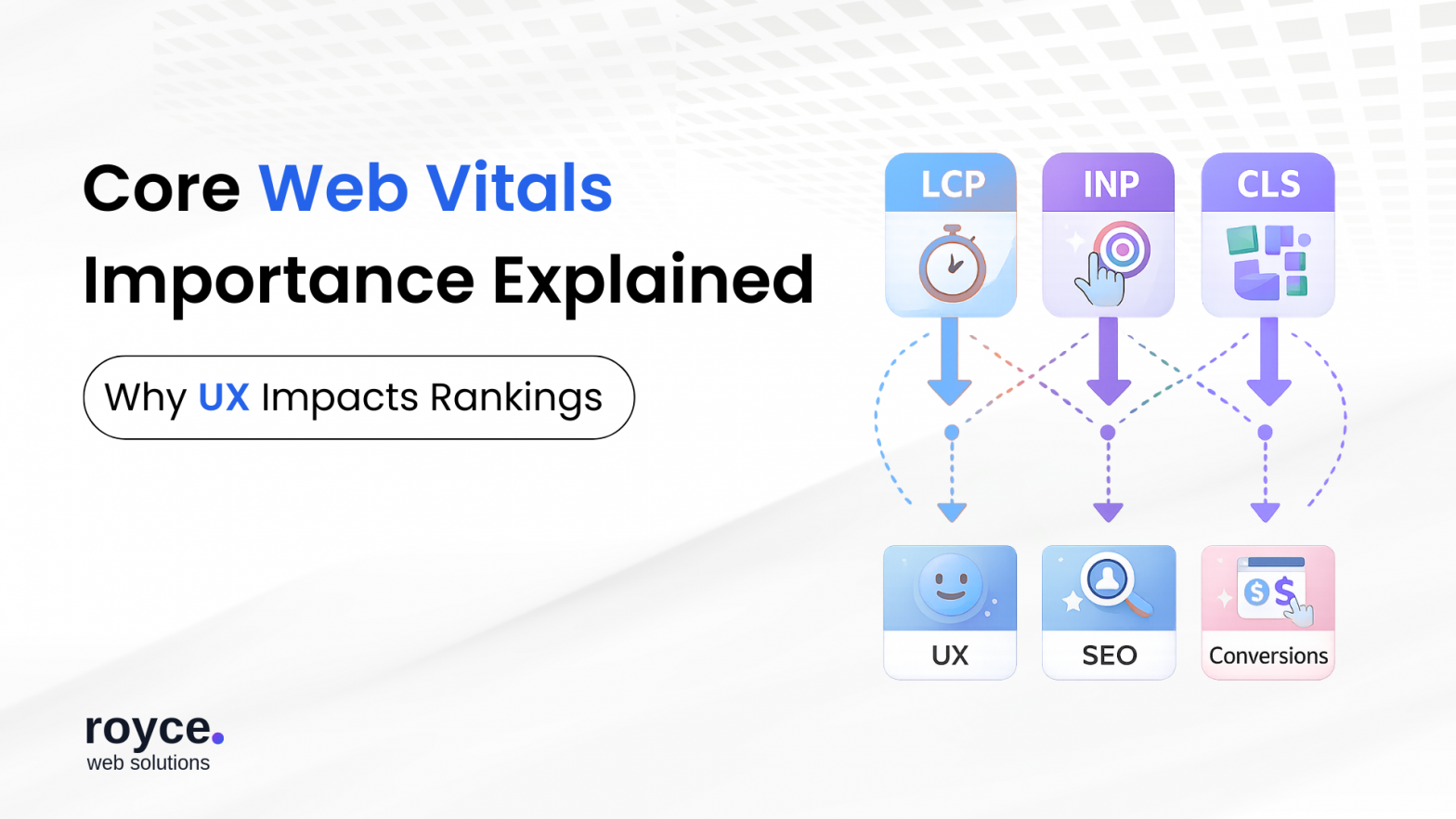
However, AI lacks the strategic depth of human SEO specialists, who conduct in-depth keyword research, build high-quality backlinks, and adapt to search engine algorithm changes. Additionally, AI struggles with understanding the intricacies of user experience (UX), which plays a crucial role in engagement and conversions.
4.Failure to Connect Emotionally
Your website is often the first impression customers have of your business, and first impressions matter. While AI can generate content and layouts, it lacks the ability to infuse them with passion and personality. The emotional connection that a human designer or copywriter brings to a brand is irreplaceable.
A human touch ensures that your website not only looks professional but also tells a compelling story that resonates with your audience and builds trust.
Maximizing AI in Web Development
So, should you use AI to build your website? The answer is yes and no.
AI tools can be incredibly useful in the web development process, but they are best used as assistants rather than sole creators. Here are some areas where AI can enhance, rather than replace, human web development:
- AI-Powered Coding Assistants – AI-powered coding tools, such as GitHub Copilot, help developers by suggesting code snippets, completing code, and identifying bugs. These tools streamline repetitive tasks, allowing developers to focus on creativity and innovation.
- Content Optimization – AI tools like Grammarly ensure that content is clear, error-free, and engaging. They enhance readability and style while catching mistakes that might be overlooked by human writers.
- SEO and Analytics – AI-driven platforms like Ahrefs and SEMrush offer in-depth SEO analysis, keyword research, and competitive insights, helping businesses optimize their content for better search rankings.
- Performance Optimization – Tools like Google Page Speed Insights and GTmetrix use AI to identify performance bottlenecks, while Cloudinary optimizes images and videos for faster load times.
Real-World Example: AI Website to Custom Website Journey
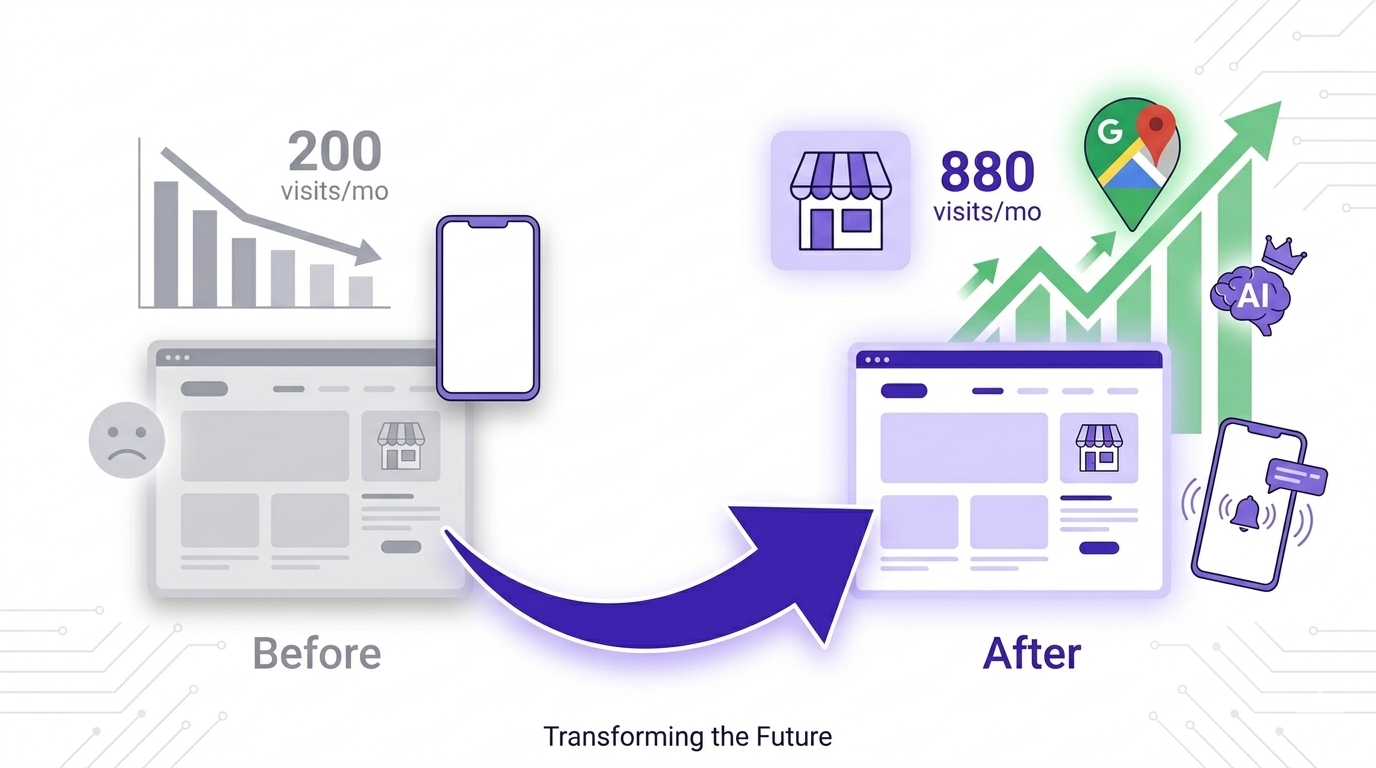
Many businesses start with an AI Website Builder and later migrate to a custom solution. Initially, the AI site helps them go live. Over time, limitations appear in SEO, design flexibility, and performance. The transition often requires rebuilding rather than upgrading.
Practical Recommendations Before Choosing an AI Website Builder
Before committing, ask yourself:
Is this website temporary or long-term?
Do I need SEO-driven traffic?
Will the site grow in complexity?
Does brand identity matter strongly?
Honest answers help avoid future frustration.
Conclusion: AI Can Build a Website, But Strategy Builds a Business
If you’re evaluating whether an AI-built website truly fits your business goals, take a moment to explore our page to understand our approach to strategy-driven website development. You can also review our Projects to see how real businesses have built scalable, SEO-ready websites with thoughtful planning.
If you’d like to discuss your website goals or explore the right mix of AI and human expertise, feel free to Contact us for a conversation.
FAQ's
Is an AI website builder good for business websites?
An AI website builder can work for simple or temporary business sites. However, for long-term growth, branding, and SEO, most businesses need more flexibility and strategic customization than AI tools currently provide.
Can AI create a fully SEO-optimized website?
AI tools can handle basic SEO settings, but they often lack advanced control over structure, content strategy, and technical optimization required for competitive rankings.
Are AI-built websites scalable?
Scalability is limited. As content, features, or integrations grow, AI platforms often restrict customization, forcing businesses to rebuild elsewhere.
Is AI for web development replacing developers?
AI supports developers by automating repetitive tasks, but it does not replace strategic thinking, UX planning, or custom problem-solving.
How much does an AI website builder cost compared to custom development?
AI builders have lower initial costs, but long-term expenses can rise if limitations force migration or redesign.
Should startups use AI to create website solutions?
Startups can use AI tools for quick validation, but should plan for a scalable, SEO-ready website as the business grows.