Build Credibility Online: Websites for Coaches & Consultants
Why Credibility Starts With Your Website
In today’s digital-first world, your website often creates the first impression long before a conversation or consultation happens. For coaches and consultants, credibility is everything. People don’t just buy services; they invest in expertise, confidence, and trust. A well-structured website for coach or website for consultant helps establish that trust even before a potential client reaches out.
Many professionals rely on social media or referrals alone, but these channels rarely provide complete clarity about your services, approach, and authority. A website gives you control over your story. It allows you to clearly explain what you do, who you help, and why clients should trust you. From design and messaging to content structure, every element contributes to perceived credibility.
This guide explains how to build credibility online through a strategic website for coaches and website for consultants, covering structure, content, design, and practical steps that actually influence client decisions.
Why a Website Matters More Than Social Media for Coaches and Consultants
Social platforms are useful, but they are not owned assets. Algorithms change, reach fluctuates, and content gets buried quickly. A website, on the other hand, works as your professional foundation.
Key Benefits
Full control over branding and messaging
Central place for services, testimonials, and credentials
Long-term visibility through search engines
Better trust compared to social-only presence
A professional website for consultant positions you as serious, established, and reliable. It also works seamlessly alongside social platforms rather than replacing them.
Understanding Trust Signals in a Website for Coach
Trust is built through clarity, consistency, and transparency. Your website should answer questions even before visitors ask them.
Essential Trust Elements
Clear service descriptions
Professional design and layout
Real testimonials and case studies
Transparent pricing or process
Easy contact options
These elements reassure visitors that they are dealing with a credible professional, not an unknown entity.
Defining the Purpose of Your Website Before Design
Before thinking about colors or layouts, clarify the role your website will play.
Common Website Goals
Generate qualified leads
Book discovery calls
Educate potential clients
Showcase expertise and experience
Defining the purpose helps structure your landing page and website correctly and avoids clutter or confusion later.
Choosing the Right Structure for a Website for Consultant
Structure affects how easily visitors find information and how confident they feel navigating your site.
Recommended Pages
Use clear navigation and logical flow. A clean structure improves user experience and supports search visibility.
Content That Builds Authority and Expertise
Content is where credibility truly develops. Well-written content demonstrates experience, knowledge, and professionalism.
Content That Works Best
Clear explanations of services
Educational blog posts
Thought leadership articles
Practical guides and insights
High-quality content supports website for coaches and website for consultants by showing expertise rather than just claiming it.
Role of WordPress Websites Design in Professional Image
WordPress remains a preferred platform due to flexibility and scalability. Thoughtful wordpress websites design ensures your site looks professional and functions smoothly.
Why WordPress Works Well
Easy content management
SEO-friendly structure
Scalable as your business grows
Wide customization options
A well-built WordPress site balances design, speed, and usability without unnecessary complexity.
Design Simplicity vs Overdesign: What Clients Prefer
Many coaches assume complex design equals professionalism. In reality, simplicity wins.
Best Design Practices
Clean layouts
Readable typography
Consistent colors
Clear call-to-actions
Simple design reduces distractions and allows your message to stand out, which is critical for credibility.
Using Testimonials and Case Studies to Strengthen Trust
Social proof is one of the strongest credibility builders.
What to Include
Client testimonials with names or roles
Short success stories
Measurable outcomes
This reassures visitors that others have trusted you and benefited from your services.
SEO Foundations for a Website for Coach and Consultant
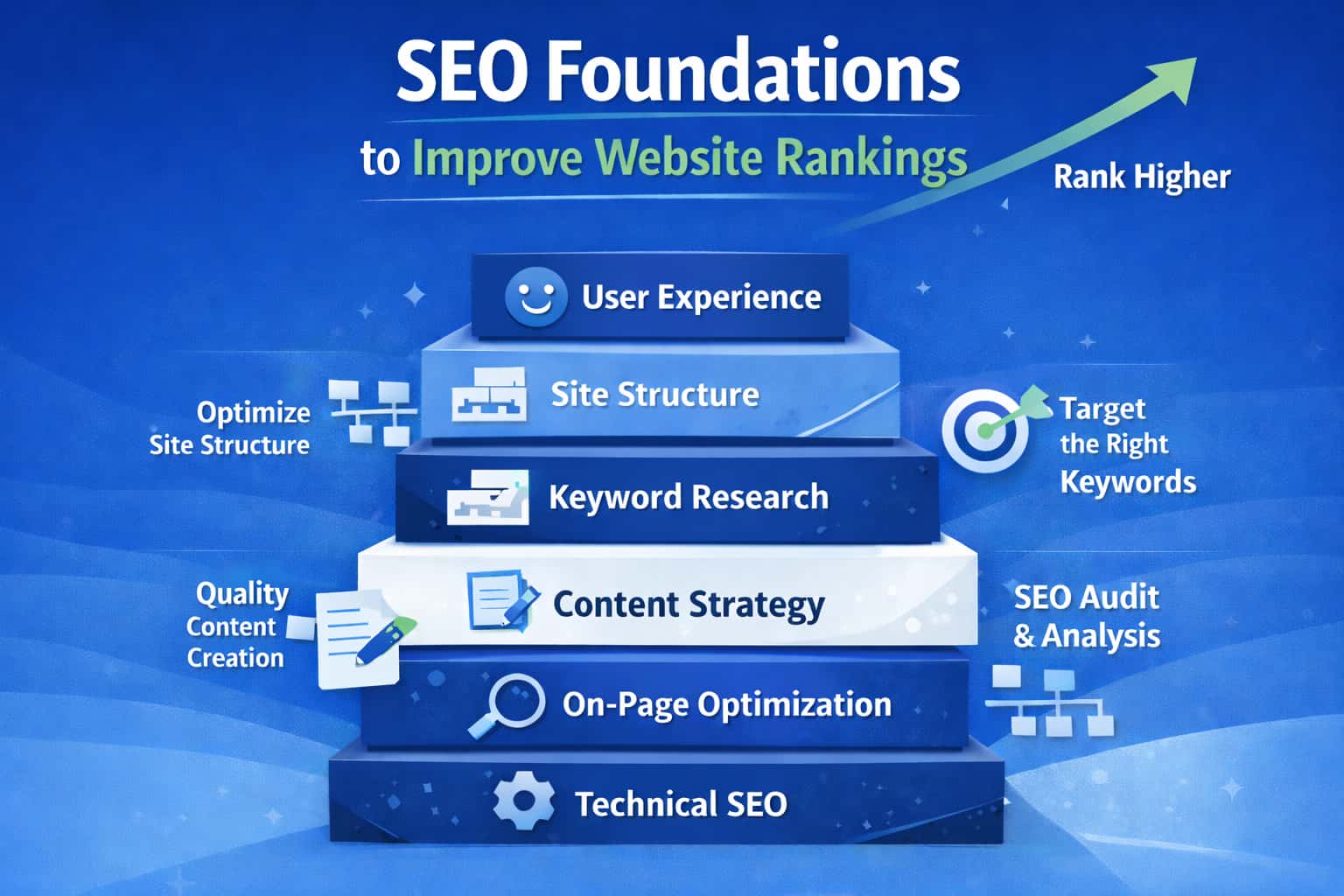
SEO helps your website get discovered by people actively searching for help.
SEO Basics to Focus On
Clear page titles and headings
Relevant keywords used naturally
Fast-loading pages
Mobile responsiveness
A strong SEO foundation improves long-term visibility without paid ads.
Landing Page and Website: Knowing When to Use Each
Not every goal requires a full website. Sometimes, focused landing pages work better.
Difference Explained
Landing page: One goal, one action
Website: Multiple pages, broader credibility
Using both strategically improves conversions while maintaining authority.
Mistakes That Reduce Credibility Online
Even small mistakes can damage trust.
Common Errors
Outdated content
Broken links or slow pages
Generic stock photos
Unclear messaging
Avoiding these mistakes keeps your website for consultant looking reliable and current.
Real-World Example: How Websites Influence Client Decisions
Many coaches report that prospects arrive already convinced after reviewing their website. Clear messaging, helpful content, and professional design shorten the decision-making process and improve lead quality.
Practical Recommendations for Coaches and Consultants
Keep content updated regularly
Speak directly to client pain points
Focus on clarity over creativity
Make contact easy and visible
These practical steps strengthen trust without overcomplicating the website.
Conclusion: Your Website Is Your Digital Reputation
Your website is more than an online brochure. It represents your expertise, values, and professionalism. A strategic website for coach or website for consultant builds credibility even when you are not actively marketing.
If you want a website that reflects your expertise and builds long-term trust, visit Royce Web Solutions to request and see how your future site could look professional, branded, and ready to grow your coaching or consulting business.
FAQ's
Why does a coach need a professional website?
A professional website helps coaches establish credibility, explain their services clearly, and build trust before potential clients make contact. It also provides long-term visibility through search engines and acts as a central hub for content, testimonials, and bookings.
Is a website for consultant different from a coaching website?
The structure is similar, but consultants often emphasize case studies, problem-solving frameworks, and industry experience. Coaches may focus more on personal branding, transformation stories, and trust-building content.
Can a landing page replace a full website for coaches?
Landing pages work well for specific campaigns, but they do not replace the credibility of a full website. A complete website provides broader context, authority, and long-term trust.
How important is SEO for a coaching website?
SEO helps your website appear when potential clients search for coaching or consulting services. It improves organic traffic and reduces dependency on paid advertising.
Should coaches use WordPress for their website?
WordPress is a flexible and scalable platform that supports content, SEO, and customization, making it a popular choice for professional websites.
What content builds the most trust on a consultant’s website?
Clear service explanations, testimonials, case studies, and educational content that demonstrates expertise help build trust effectively.